Peony Flower Embroidery: A Craft Fair Review
As I prepare my booth layout for the upcoming weekend craft fair, I am critically evaluating every machine embroidery design in my production queue. Space is limited, and inventory must move. Today, I am reviewing the Peony Flower Embroidery design to determine its viability as a best-selling craft fair product. While my shop category sometimes includes whimsical animals, this specific floral artwork demands a different merchandising strategy. Embracing the elegance of florals, this design promises exquisite charm, but as a business owner, I need to know if that charm translates to sales on a busy market table.
First Impressions: Elegant and Premium Aesthetic
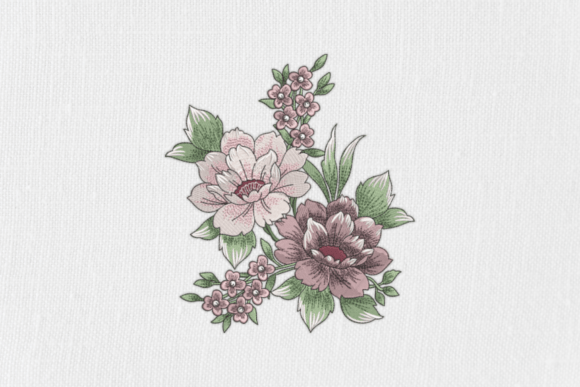
My immediate reaction to the Peony Flower Embroidery is that it reads as premium and romantic rather than rustic or novelty. The description notes that the artwork brings together the classic peony flower, lovingly embroidered to perfection. Visually, this suggests a sophisticated aesthetic that appeals to customers looking for refined handmade products. Unlike cartoonish animal designs that target impulse buyers, this floral motif attracts shoppers seeking home decor upgrades or thoughtful gifts. It feels soft yet substantial, making it an excellent candidate for higher price-point items. For an Etsy seller or boutique maker, this design signals quality over quantity, allowing for better profit margins on finished goods.
Best Performing Products for Market Sales
Not every substrate suits a complex floral. Based on my experience with similar botanical files, here is how I plan to deploy this design across my product line:
- Tote Bag Design: This is my primary focus. A natural canvas tote provides the perfect neutral backdrop for the intricate petal work. The peony acts as a central focal point that is visible from a distance, drawing customers into the booth.
- Tea Towel Embroidery: Flour sack towels are a staple. The organic nature of the peony complements kitchen linens beautifully. However, I must ensure the design isn't too dense for the towel's weave to prevent puckering.
- Apron Embroidery: Placing this design on the bib or lower pocket of a linen apron creates a cohesive, cottage-core look. This pairs exceptionally well with the tea towels for bundled sales.
- Pillow Covers: For home decor shoppers, a 16x16 pillow cover featuring this bloom offers high perceived value. It transforms a simple textile into a statement piece.
- Fabric Pouches: Smaller cosmetic bags or zipper pouches serve as accessible entry-level items. They allow customers to buy the design without committing to a larger purchase.
I am intentionally avoiding caps for this specific review session. Curved surfaces often distort detailed florals, and I want to maintain the "lovingly embroidered to perfection" standard promised in the description.
Production Practicality and Batch Efficiency
When preparing for a market, production speed matters. I am assessing whether this embroidery file is repeatable for batch production. Floral designs can sometimes be stitch-heavy, which increases run time. I need to verify the stitch density before committing to a full production run. If the design is overly dense, it may cause needle breaks or fabric distortion on lighter materials, slowing down my output. Conversely, if it is optimized correctly, I can hoop multiple items or use magnetic hoops to streamline the process. For digital sellers offering this as a digital embroidery file, noting the run time and optimization level in the listing description helps manage customer expectations regarding production feasibility.
Critical Technical Considerations
Even the most beautiful design can fail if technical variables are ignored. As I test this Peony Flower Embroidery, I am watching for several potential pitfalls:
- Dense Stitch Areas: Peonies have layered petals. I must check if the center of the flower has excessive stitch buildup. If so, I will need to adjust tension or use a lighter weight bobbin thread to prevent stiffness.
- Fabric Texture Compatibility: On textured towels or slub linen, tiny details can get lost. I may need to add a water-soluble topping to ensure the stitches sit on top of the fabric pile rather than sinking in.
- Stabilizer Selection: Using the wrong stabilizer is the fastest way to ruin a premium floral. For tote bags, I prefer a medium-weight cutaway for permanent support. For tea towels, a tear-away might suffice, but only if the design isn't too heavy.
- Thread Colors and Contrast: The elegance of this design relies on shading. I need to confirm my thread colors match the digitizer’s intent. Low-contrast threads on dark fabric will make the peony disappear. I always test on scrap fabric first to verify visibility.
- Hoop Size Verification: Before cutting any retail fabric, I double-check the required hoop size. Running out of space mid-design is a costly error. I also ensure there is adequate margin around the design to prevent hoop burn on delicate fabrics.
Visual Merchandising and Customer Engagement
At a craft fair, customers touch before they buy. The tactile quality of this commercial embroidery project is just as important as the visual. Because the description emphasizes "exquisite charm," the finished product must feel smooth and professional. Any rough backing or loose jumps stitches will detract from the premium vibe. I plan to display the tote bags hanging vertically so the peony is at eye level. For smaller items like pouches, I will use risers to create height variation on the table.
For online sales, photography is paramount. This design photographs beautifully because of its organic shape. I recommend creating at least one real mockup rather than relying solely on software renderings. Natural lighting highlights the sheen of the rayon or polyester threads, showcasing the dimensionality that flat printable mockups cannot capture. When listing on Etsy, zooming in on the stitch detail proves the "embroidered to perfection" claim and builds buyer trust.
Designer Notes for Commercial Success
Before listing this as a small shop product or selling finished goods, take these final precautions. Always confirm commercial licensing terms included with your design assets. Just because you bought the file doesn't automatically grant unlimited commercial rights for physical products. Additionally, compare fabric colors against your thread palette; what looks good on screen may clash in person. Finally, inspect the spacing between elements. Tight lettering or crowded petals can merge during washing. A quick wash test on a sample ensures the finished product remains durable and beautiful after customer use.
While my shop category includes Animals, focusing on this botanical masterpiece allows me to diversify my booth offerings. The Peony Flower Embroidery represents a shift toward timeless elegance that resonates with a broad demographic. By carefully selecting substrates like totes and linens, managing stitch density, and presenting the items with a premium aesthetic, this design has strong potential to become a cornerstone of my handmade market inventory. Whether you are a seasoned vendor or a new creative entrepreneur, treating this floral file with technical respect and strategic merchandising will yield the best results.