Summer Embroidery Lemon Design Review
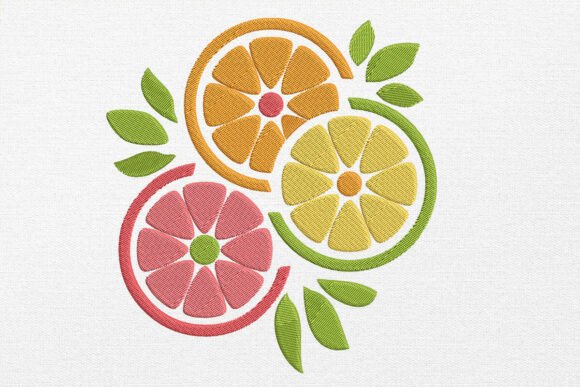
As an embroidery designer constantly curating collections for boutique apparel, I am always on the hunt for digital assets that balance trendiness with timelessness. When browsing Creative Fabrica embroidery listings for an upcoming seasonal drop, the Summer Embroidery Lemon Design immediately caught my attention. Despite the product title suggesting citrus, the description highlights elegant wildflowers in a minimalist style, alongside references to line art. This duality is exactly what makes it intriguing for modern custom apparel. It suggests a design that bridges the gap between fresh summer aesthetics and sophisticated, organic botany, making it a versatile candidate for sweatshirt embroidery and hoodie design projects.
Visual Personality and Stitching Mood
The first impression of this machine embroidery design is one of refined simplicity. In the current market, maximalist designs often compete for attention, but there is a distinct premium feel to minimalist artwork. The Summer Embroidery Lemon Design appears to lean into this "quiet luxury" aesthetic. For a boutique brand, this visual mood is essential. It does not scream for attention; rather, it invites the viewer to look closer at the stitch quality and fabric texture.
The mention of line art within the product details suggests a lighter stitch density, which is a significant advantage for apparel decorators. Heavy, dense patches can cause puckering on lightweight garments or create an uncomfortable armor-like feel on cozy fleece. A design rooted in elegant wildflowers and line art implies a breathable, flexible finish that moves with the garment. This stitching mood feels feminine yet grounded, making it suitable for both pastel hoodies and neutral-toned oversized sweatshirts. It strikes a balance between playful summer vibes and classic botanical illustration, ensuring the finished product appeals to a wide demographic of handmade product enthusiasts.
Strategic Placement for Boutique Apparel
When planning a small shop product line, placement is just as critical as the design itself. Based on the minimalist and floral characteristics of the Summer Embroidery Lemon Design, I see several high-value applications for commercial embroidery.
- Left Chest Placement: This is the prime real estate for sweatshirt embroidery and hoodie design. A minimalist wildflower or lemon motif here acts as a subtle brand identifier. It is visible in social media selfies and lifestyle product photos without overwhelming the garment's silhouette.
- Sleeve Accents: Line art styles translate beautifully to wrist or forearm placements. This adds perceived value to custom apparel, transforming a basic blank into a detailed, high-end piece. It encourages customers to inspect the craftsmanship up close.
- Tote Bag Merchandise: For Etsy sellers looking to expand beyond clothing, this design’s organic theme is perfect for canvas tote bags. The natural fiber of the bag complements the wildflower aesthetic, creating a cohesive summer collection.
- Back Yoke Details: Placing a smaller version of the design on the back yoke of a denim jacket or t-shirt creates a surprise element. This is a trending detail in boutique fashion that signals professional presentation and thoughtful design curation.
Navigating Fabric Textures and Stabilizer Choices
While the Summer Embroidery Lemon Design offers immense creative potential, experienced embroiderers know that execution depends heavily on technical preparation. Minimalist and line art designs can be unforgiving on difficult fabrics because there is less coverage to hide registration shifts or tension issues.
For sweatshirt embroidery on fleece or French terry, stabilizer choice is non-negotiable. Even if the stitch density is low, the loft of the fabric requires adequate support to prevent the design from sinking into the pile. I recommend testing with a medium-weight cutaway stabilizer rather than tear-away to ensure long-term durability and prevent distortion after washing. If you are working with ribbed fabric, be hyper-aware of the stretch direction. Hooping must be perfectly aligned with the grain, or the line art will warp once the garment is worn.
Dark garments present another consideration. While the design is described as elegant, you must verify thread color contrast before production. Light-colored threads on dark charcoal or navy sweatshirts create a striking, modern look, but they also highlight any bobbin thread bleed-through. Always run a test stitch-out on scrap fabric identical to your production blanks. Confirm that the hoop size listed in the Creative Fabrica product details matches your intended placement area. Nothing derails a production schedule faster than realizing a design is two inches too wide for a toddler hoodie chest panel.
Elevating Brand Identity and Buyer Trust
In the saturated world of digital sellers and Etsy shops, consistency builds buyer trust. Using a cohesive design like the Summer Embroidery Lemon Design across multiple SKUs helps establish a recognizable brand identity. When customers see the same elegant wildflower motif on a t-shirt, a printable mockup, and your social media graphics, it reinforces a professional image.
This design also supports higher price points. Mass-market apparel often features generic, clip-art style graphics. By utilizing a specialized embroidery file that emphasizes elegance and minimalism, you differentiate your small shop product from fast fashion. Customers are willing to pay more for custom apparel that feels curated and artistic. Furthermore, the versatility of this design allows for efficient inventory management. You can use the same digital embroidery file for a summer capsule collection and transition it into early autumn by simply changing the thread colors from bright yellows and greens to muted terracottas and sages.
Critical Pre-Production Checklist for Designers
Before listing any finished product featuring the Summer Embroidery Lemon Design, responsible creators must perform due diligence. The product description mentions wildflowers and line art, but as professionals, we must verify the technical specifications directly from the source.
- Verify Licensing: Check the specific license terms on Creative Fabrica. Ensure you have the rights to sell physical embroidered items and confirm if there are limits on production quantities for commercial embroidery.
- Confirm File Compatibility: Download the embroidery file formats required for your specific machine. Do not assume universal compatibility.
- Inspect Stitch Density: Open the file in your digitizing software to view the actual stitch count. This data is vital for calculating production time and pricing your handmade products accurately.
- Test on Target Fabric: Never skip the test run. Stitch the design on the exact garment weight and blend you intend to sell. Evaluate the hand-feel and drape.
- Create Accurate Mockups: Use high-quality printable mockup templates that reflect the true scale of the design. Misleading size representation leads to returns and negative reviews.
Final Thoughts for Creative Entrepreneurs
The Summer Embroidery Lemon Design represents a valuable asset for apparel decorators seeking to elevate their seasonal offerings. Its blend of minimalist wildflower aesthetics and potential line art construction makes it uniquely suited for modern boutique brands. Whether you are creating cozy seasonal outfits, refreshing your t-shirt embroidery lineup, or designing accessories for an online shop, this design offers the flexibility needed for diverse applications.
Success in this industry comes from marrying beautiful digital assets with technical expertise. By respecting the nuances of fabric texture, stabilizer selection, and proper placement, you can transform this embroidery file into a best-selling product. Always prioritize testing and verification to ensure your finished product meets the high standards your customers expect. With careful execution, this design can become a cornerstone of your summer collection, driving engagement and sales through its timeless, elegant appeal.