Elephant Patch Embroidery Design Review
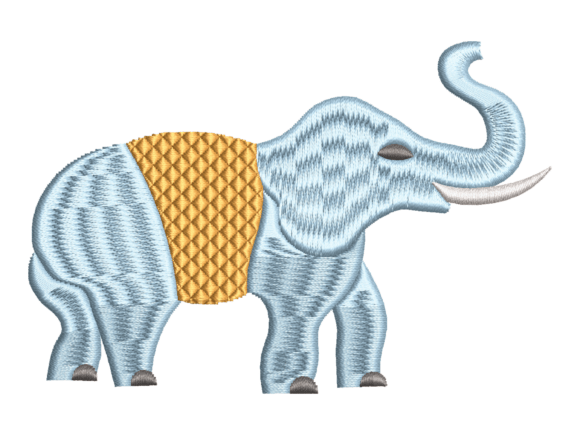
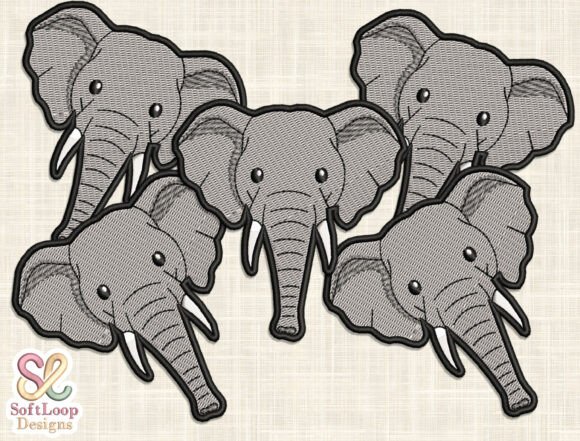
As a professional embroidery designer specializing in commercial branding and small business merchandise, I approach every new machine embroidery design with a critical eye. When evaluating the Elephant Patch Embroidery Design for potential business use, my primary focus is not just on its aesthetic charm, but on its technical viability for production. The description highlights a gentle and charming aesthetic featuring a simple elephant face with large ears and a long trunk. For small business owners, Etsy sellers, and apparel decorators, this specific visual personality offers distinct advantages for brand identity, provided the digitizing supports real-world application.
Visual Personality and Brand Alignment
The first impression of the Elephant Patch Embroidery Design suggests a balance between playfulness and professionalism. In the context of Animals category designs, elephants often symbolize memory, strength, and gentleness. For a local business, this translates into trustworthiness and warmth. If you are operating a boutique, bakery, florist shop, or pet brand, this design avoids being overly juvenile while remaining accessible. It does not scream "cartoon," which makes it suitable for adult-oriented small business merch.
However, the term "delicate" in the product description requires careful interpretation. In Embroidery, delicate lines can sometimes mean insufficient coverage or fragile stitches. From a designer’s perspective, I look for clean satin columns and adequate underlay rather than running stitch outlines that may get lost on textured fabrics. A successful branded patch needs to read clearly from a distance, so while the design is described as adorable, ensure the digitized version maintains structural integrity when scaled down for chest logos or sleeve accents.
Commercial Applications for Small Business Merch
This design shows significant promise across various commercial applications. Its versatility lies in the recognizable silhouette of the elephant face. Here is how I envision this embroidery file performing in a production environment:
- Staff Uniforms and Aprons: For cafés and creative studios, an apron embroidery placement works exceptionally well with this motif. The large ears provide a wide surface area that anchors the design on canvas or denim without looking sparse.
- Retail Tote Bags: As a tote bag design, the elephant serves as an eco-friendly brand marker. Cotton canvas takes ink and thread beautifully, allowing the "gentle" nature of the design to shine through natural fiber textures.
- Custom Patches: Creating a standalone embroidered patch allows businesses to add branding to existing inventory without direct embroidery. This is ideal for caps or jackets where hooping is difficult.
- Customer Gifts: For handmade brands, adding this design to packaging accents or thank-you gifts enhances the unboxing experience and reinforces the handmade product value proposition.
Technical Considerations and Production Risks
While the Elephant Patch Embroidery Design is visually appealing, technical execution determines profitability. As a reviewer, I must highlight areas where caution is necessary during commercial embroidery runs.
Stitch Density and Fabric Texture
The description mentions delicate details. On high-pile fabrics like fleece or terry cloth, delicate stitches can sink and disappear. If using this for staff hoodies or towels, you must verify the stitch density. You may need to add a topping or increase column width to prevent the design from getting swallowed by the fabric texture. Conversely, on lightweight performance shirts, excessive density can cause puckering. Always test the digital embroidery file on the actual garment material before committing to a bulk order.
Sizing and Hoop Constraints
Elephant faces with large ears present unique sizing challenges. Wide designs require larger hoops, but if you intend to use this as a small chest logo or cap front, the aspect ratio might need adjustment. Before purchasing, confirm the available sizes and hoop size compatibility with your machine. Reducing a complex design too much can result in thread breaks or illegible details. For cap embroidery, specifically, ensure the design has been digitized with a bottom-up or center-out sequence to accommodate the curved surface.
Thread Colors and Contrast
A "charming" design relies heavily on color selection. While the file may come with preset thread colors, business branding often requires customization. Test the design in grayscale first to ensure contrast levels hold up regardless of color choice. If your brand uses dark navy uniforms, a dark grey elephant outline will fail. You may need to adjust the design assets to include a lighter border or background fill for visibility.
Impact on Brand Value and Customer Trust
In the competitive landscape of Etsy sellers and local shops, presentation is everything. A poorly executed embroidery job damages credibility, while a crisp, professional application builds trust. The Elephant Patch Embroidery Design, when stitched correctly, communicates attention to detail. It signals that the business cares about quality, mirroring the care implied by the elephant imagery itself.
Consistency is key. Using this same design across custom apparel, tags, and marketing materials creates a cohesive visual language. Customers begin to associate the elephant icon with your specific level of service and quality. This recognition increases the perceived value of your products and encourages repeat engagement. However, this only works if the finished product looks intentional and polished, not homemade in a negative sense.
Professional Designer Checklist for Implementation
Before loading this machine embroidery design into your machine for a client project or product line, follow this professional review protocol:
- Verify Licensing: Confirm the license permits commercial use for merchandise sales, not just personal crafting. This is non-negotiable for business assets.
- Create a Printable Mockup: Use software to generate a printable mockup for client approval. This manages expectations regarding size and color placement before stitching begins.
- Test Stabilizer Pairings: The "delicate" nature of the trunk and ears demands proper support. Test cut-away versus tear-away stabilizer options to see which prevents distortion best for your target fabric.
- Check Spacing and Jump Stitches: Inspect the file for unnecessary jump stitches that could snag on aprons or tote bags. Clean trims save finishing time and improve durability.
- Wash Test: If producing work shirts or items requiring frequent laundering, wash and dry the test sample three times. Ensure the dense ear sections do not pucker or pull away from the fabric after shrinkage.
- Compare Beside Other Assets: Place the elephant design next to your text logos and other icons. Ensure the visual weight matches your existing design assets for a unified collection.
The Elephant Patch Embroidery Design holds strong potential for small business branding due to its friendly yet structured aesthetic. By respecting the technical requirements of stitch density, stabilizer choice, and appropriate sizing, embroiderers can transform this digital file into a valuable commercial asset. Whether used for a boutique signature item or a café uniform, success lies in treating the design as a professional component of your business infrastructure rather than merely a decorative element. Always validate the specific file parameters against your production capabilities to ensure the final merchandise meets the high standards your customers expect.