Wind Blown Tree Embroidery Design Review
As an experienced embroidery designer specializing in commercial branding and merchandise production, I approach every new machine embroidery design with a critical eye toward production viability. When evaluating the Wind Blown Tree Embroidery Design for small business applications, my primary focus is not just on its artistic merit, but on how it translates from a digital file to a tangible asset that drives sales and reinforces brand recognition. This review analyzes the technical performance and commercial potential of this specific forest-themed pattern for shops, studios, and apparel decorators.
Visual Personality and Brand Alignment
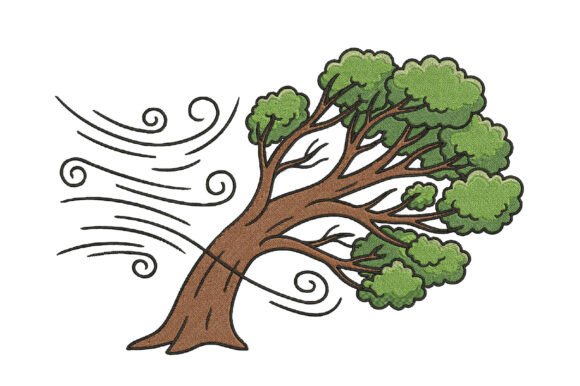
The first impression of the Wind Blown Tree Embroidery Design is one of organic movement and rustic elegance. Unlike static botanical illustrations, this pattern captures nature in motion, suggesting resilience and adaptability. For a small business, these are powerful subconscious signals. The silhouette of a tree bending gracefully implies flexibility and endurance, traits that resonate deeply with customers of handmade brands, florists, bakeries, and eco-conscious boutiques.
From a branding perspective, this design avoids being overly cartoonish or strictly traditional. It sits comfortably in a modern-rustic niche, making it versatile for various industries. A creative studio could use it to symbolize growth and inspiration, while a pet brand might leverage the natural aesthetic to suggest outdoor adventure. However, because the design relies on the dramatic curve of the trunk and branches, it carries a distinct visual weight. It feels premium and intentional rather than generic clip art, which is essential for establishing trust and perceived value in custom apparel and merchandise.
Commercial Applications for Small Business Merch
When integrating this embroidery file into a product line, versatility is key. Based on the description of a large tree creating a dramatic landscape, this design excels in medium-to-large format applications where the stitch work can breathe.
- Tote Bag Design: This is arguably the strongest application for this motif. Canvas totes provide a stable, flat surface that accommodates the horizontal spread of wind-blown branches without distortion. The design serves as a central focal point, turning a functional bag into a walking billboard for your brand.
- Apron Embroidery: For cafés, florists, and makers, placing this design on the chest or lower pocket of an apron creates immediate thematic cohesion. The verticality of the tree complements the rectangular shape of most aprons, and the "wind" element adds dynamic energy to staff uniforms.
- Back-of-Shirt Graphics: While the left chest is standard for logos, this design has enough artistic detail to serve as a full-back print on t-shirts or hoodies. It transforms basic blanks into boutique-quality merchandise suitable for Etsy sellers and event vendors.
- Product Packaging Accents: Beyond apparel, consider using a scaled version of this design on linen dust bags, jewelry pouches, or gift wrap tags. The texture of thread against fabric elevates the unboxing experience for handmade product sales.
Technical Considerations and Production Limitations
Despite its beauty, the Wind Blown Tree Embroidery Design requires careful handling in commercial embroidery environments. The description notes a "large tree," which immediately raises flags regarding minimum sizing and structural integrity.
Sizing and Detail Retention
You must verify the minimum recommended size before purchasing or stitching. Designs featuring intricate branch structures often suffer when reduced below 4 inches in width. Thin lines representing twigs may disappear or cause needle breaks if the stitch density is too high for the reduced scale. If you intend to use this as a small sleeve cuff logo or a tiny collar accent, request a test sew-out specifically at that dimension. Do not assume a digital resize will maintain the graceful bend of the tree; compression can make organic shapes look jagged.
Cap Embroidery Challenges
While caps are popular merch items, this specific design presents challenges for curved surfaces. The horizontal span of a wind-blown tree fights against the cylindrical shape of a hat front. Unless the design has been specifically digitized for caps with proper pull compensation and center-out sequencing, you risk registration issues where the branches do not align correctly. Always test on a scrap cap structure before committing to bulk production.
Fabric Texture and Stabilizer Selection
The artistic nature of this forest scene likely involves varying stitch types to depict bark texture and leaf movement. On textured fabrics like fleece or heavy canvas, fine details can get lost. You must pair this design with the correct stabilizer. A cut-away stabilizer is generally superior for designs with significant stitch counts or open areas, as it prevents the fabric from puckering around the dense trunk section. For sheer or lightweight fabrics used in summer merchandise, a water-soluble topping may be necessary to keep the stitches crisp and prevent them from sinking into the weave.
Impact on Brand Identity and Customer Trust
In the competitive landscape of Etsy sellers and local markets, professional execution separates hobbyists from established businesses. Using the Wind Blown Tree Embroidery Design effectively signals attention to detail. When a customer sees clean satin stitches, smooth curves, and appropriate thread tension, they subconsciously attribute those qualities to the business itself.
Consistency is equally important. If you adopt this tree as part of your brand identity, ensure it appears consistently across all touchpoints. The same thread colors should be used on aprons, tote bags, and patches to create a unified visual language. This repetition builds recognition. Furthermore, because the design evokes a sense of handcrafted artistry, it pairs exceptionally well with businesses that emphasize sustainability, slow fashion, or artisanal quality. It validates the price point of premium goods by adding visible, tactile value that screen printing cannot replicate.
Designer Notes: Pre-Production Checklist
Before running this design on final merchandise, adhere to this professional workflow to avoid costly mistakes:
- Verify Licensing: Confirm that the digital embroidery file includes commercial usage rights. Personal licenses do not cover selling finished products or branded uniforms.
- Check File Specifications: Since exact stitch counts and hoop sizes are not provided in the product description, open the file in your software or consult the seller's spec sheet. Ensure your machine’s hoop size accommodates the design’s maximum dimensions without requiring re-hooping.
- Create a Printable Mockup: Before stitching, overlay the design onto photos of your actual products. This helps visualize placement and scale relative to seams, pockets, and zippers. Share this mockup with clients for approval to manage expectations.
- Test Contrast: Stitch a sample in black and white first. This removes color bias and reveals whether the design relies too heavily on color changes to define shapes. If the tree looks muddy in grayscale, adjust the density or add outline stitches.
- Evaluate Washability: If this design is destined for staff uniforms or frequent-use tote bags, wash and dry the test sample three times. Check for thread shrinkage, stabilizer residue, or fabric distortion. Nature-inspired designs should look better with age, not worn out.
- Compare Against Assets: Place this design beside your existing logo and typography. Ensure the style of the wind-blown tree harmonizes with your current design assets rather than clashing with them.
The Wind Blown Tree Embroidery Design offers a compelling opportunity for businesses to merge natural aesthetics with professional branding. By respecting its technical requirements and leveraging its emotional resonance, you can transform a simple embroidery pattern into a cornerstone of your merchandise strategy. Always prioritize testing and fabric compatibility to ensure the final product reflects the quality your customers expect.