Sweet Owl Moon Embroidery Design: A Business Review
As a professional embroidery designer specializing in commercial merchandise and branded assets, I approach every new machine embroidery design with a critical eye toward production viability. While the Sweet Owl Moon Embroidery Design is marketed primarily for nurseries and baby gifts, its potential extends far beyond domestic decor. For small business owners, Etsy sellers, and apparel decorators, this design offers a unique opportunity to leverage the enduring popularity of Woodland Animals in a commercial context. However, transitioning a design intended for pajamas and pillows into a robust asset for small business merch requires careful evaluation of stitch structure, scalability, and brand alignment.
Visual Personality and Brand Identity Alignment
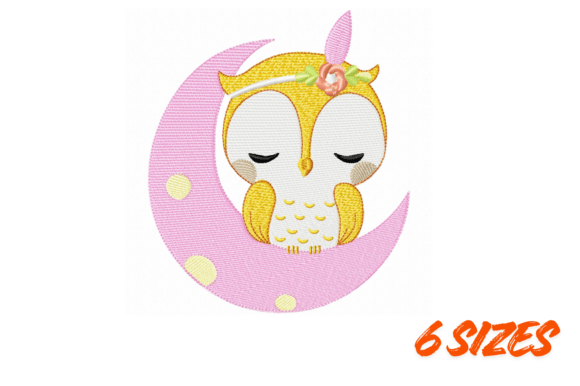
My first impression of the Sweet Owl Moon Embroidery Design is that it strikes a balance between whimsical and classic. In the realm of brand identity, this aesthetic is particularly valuable for businesses that want to project warmth, approachability, and artisanal quality. Unlike corporate geometric logos, this design carries an inherent "handmade product" feel that resonates deeply with specific consumer demographics.
For a local bakery, florist, pet grooming salon, or children’s boutique, this design serves as more than just decoration; it acts as a visual shorthand for the business's values. The owl and moon motif suggests nighttime comfort, wisdom, and gentle care. When used on custom apparel or packaging, it softens the commercial transaction, building customer trust through emotional connection. However, because the description highlights its suitability for baby girl nurseries, businesses targeting a masculine or ultra-modern demographic should test how this design pairs with their existing color palettes and typography to ensure visual consistency.
Commercial Applications Beyond the Nursery
While the product description lists towels and gifts, my review focuses on how this digital embroidery file performs in high-traffic commercial environments. The versatility of the owl and moon composition allows for several strategic applications in small business branding.
- Embroidered Patch Production: This design is an excellent candidate for creating morale patches or branded badges for staff uniforms. The distinct silhouette of the owl against the moon provides a natural boundary for merrowing or satin stitch borders, making it easier to cut out cleanly compared to amorphous shapes.
- Apron Embroidery: For cafes and creative studios, placing this design on the chest or pocket area of an apron adds a premium touch. It elevates a standard uniform into a piece of boutique merchandise that customers may ask to purchase.
- Tote Bag Design: Canvas totes are staples for markets and retail. The Sweet Owl Moon Embroidery Design provides a focal point that transforms a generic bag into a branded keepsake. The design’s likely fill areas work well on the coarse texture of canvas without getting lost.
- Product Packaging Accents: For handmade brands, embroidering this motif onto cloth dust bags or gift wrap ribbons enhances the unboxing experience. It reinforces the "magical" theme mentioned in the product description while adding tangible value to the finished product.
Technical Considerations for Production
A design that stitches beautifully on a nursery pillow may fail on a structured cap or dense twill work shirt. As an experienced digitizer, I must highlight specific technical constraints when adapting the Sweet Owl Moon Embroidery Design for commercial use.
Stitch Density and Fabric Texture
The primary concern with any detailed animal design is stitch density. If the original file was optimized for soft cotton pajamas, it may lack the underlay necessary for heavier commercial fabrics like denim, canvas, or twill. Before running a full production batch, you must verify if the design includes adequate stabilization layers. On textured fabrics, fine details in the owl’s feathers or the moon’s craters can get buried. You may need to add a topping or increase the density slightly to ensure the design pops off the fabric rather than sinking into it.
Scalability and Small Patch Sizes
Branded merchandise often requires resizing. If you intend to use this as a sleeve detail or a small logo accent, check the minimum viable size. Intricate facial features and tiny text (if included) are the first casualties of reduction. I recommend testing the embroidery file at your smallest intended dimension before committing to bulk production. If the eyes or beak become indistinguishable blobs at 2 inches, the design is too complex for that specific application, and you should reserve it for larger formats like back-of-jacket prints or large tote panels.
Cap Embroidery Challenges
Using this design for cap embroidery requires caution. Caps have curved surfaces and center seams that can distort circular motifs like a moon. Unless the file has been specifically digitized for caps with split underlay and directional compensation, you risk registration issues where the outline does not meet the fill. Always run a sew-out on the exact cap model you plan to use, as the curvature varies significantly between low-profile and mid-profile headwear.
Designer Notes for Successful Implementation
To maximize the ROI of this commercial embroidery asset, follow these practical steps before listing items for sale or updating staff uniforms:
- Verify Commercial Licensing: The product description mentions instant digital download and multiple formats, but it does not explicitly state commercial usage rights for branded merchandise. Always confirm the license terms allow for selling finished products or using the design as a business logo before production.
- Create a Printable Mockup: Before stitching, place the design digitally on photos of your actual merchandise. A printable mockup helps visualize scale and placement relative to seams, pockets, and zippers. This step prevents costly hooping errors and ensures the design complements rather than competes with other branding elements.
- Test Thread Colors Against Brand Palette: The "magical" aesthetic likely uses pastels or metallics. Ensure these thread colors align with your business branding. High contrast is essential for visibility on uniforms; a pale grey owl on a white shirt will disappear in photographs and from a distance.
- Confirm Hoop Size Compatibility: Check the physical dimensions of the design file against your machine’s maximum hoop size. If you are producing patches, ensure the design fits within your patch hoop or magnetic frame with enough margin for the border stitch.
- Evaluate Wash Fastness: Staff uniforms and tote bags require frequent laundering. Test the finished product through three wash cycles to check for thread pull-outs or puckering. If the design was originally meant for decorative pillows, it may require additional stabilizer to withstand industrial washing.
- Compare Beside Other Design Assets: Place the Sweet Owl Moon Embroidery Design next to your current logo or other merch designs. Does it look cohesive? If your brand is minimalist and bold, this intricate woodland design might clash. Visual consistency builds recognition; ensure this addition supports, rather than dilutes, your established aesthetic.
Final Verdict for Small Business Use
The Sweet Owl Moon Embroidery Design represents a strong contender for businesses in the childcare, pet, floral, and artisan food sectors. Its inherent charm translates well to small business merch, offering a softer alternative to traditional corporate branding. However, success depends entirely on technical due diligence. By respecting the limitations of stitch density, verifying licensing, and testing extensively on commercial substrates, you can transform this adorable nursery motif into a professional, profit-generating asset for your embroidery business. Always treat this file as a starting point for commercial adaptation, ensuring every stitch serves both the aesthetic vision and the practical demands of daily business use.