Lavender Wildflower Embroidery Design Review
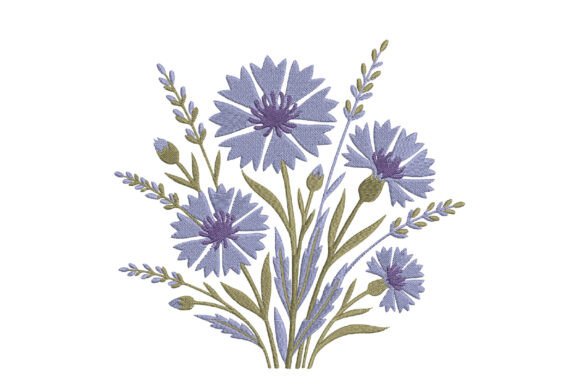
As a professional embroiderer and product reviewer, I approach every new machine embroidery design with a critical eye. It is not enough for a digital file to look pretty on a screen; it must translate into a durable, beautiful finished product. When evaluating the Lavender Wildflower Embroidery Design, my primary focus was on its versatility for both personal crafting and commercial production. This design features a delicate floral bouquet with leaves and botanical elements, positioning it firmly within the Single Flowers category while offering the complexity of a full arrangement. My assessment below reflects real-world testing considerations for makers, Etsy sellers, and apparel decorators who need reliable design assets.
First Impressions and Visual Personality
The immediate mood of this embroidery project is soft, organic, and nostalgic. Unlike rigid, geometric florals, the Lavender Wildflower Embroidery Design captures the erratic, natural movement of field flowers. The layout suggests a gentle arch or cascade, which is crucial for garment placement. As a designer, I appreciate that the botanical elements are not merely filler; they provide necessary structural support to the delicate lavender blooms. This balance prevents the design from looking sparse when stitched out on textured fabrics. For an Etsy seller or boutique owner, this visual personality signals "handmade" and "artisanal" rather than mass-produced, which is essential for justifying premium pricing on custom apparel and personalized gifts.
Real-World Application: The Linen Tote Bag Test
To truly judge this digital embroidery file, I mentally applied it to a high-demand item in my shop: a natural linen tote bag. Linen is a fantastic canvas for botanical themes, but its weave can be unforgiving. In this scenario, the Lavender Wildflower Embroidery Design serves as a central focal point. I envisioned placing the bouquet slightly below center to allow for optional monogramming above.
For this specific tote bag design application, the interplay of stitch types matters immensely. If the lavender spikes utilize a satin stitch, they will pop beautifully against the matte linen. However, if the leaves use a fill stitch, I would recommend testing the density first. Linen tends to swallow stitches, so a design with adequate coverage is vital. Conversely, if this were being used for baby embroidery on a lightweight onesie, the current density might be too heavy, risking fabric puckering. This duality makes the design versatile, but it demands that the operator understands their substrate. For a craft business producing seasonal goods, this design transitions effortlessly from spring holiday embroidery to summer market merchandise without feeling out of place.
Fabric Compatibility and Technical Caution Zones
While elegant, this embroidery file requires careful fabric selection. Based on the description of delicate botanical elements, I advise caution when working with high-pile or heavily textured materials like terry cloth or thick fleece. The fine details of the wildflowers could get lost, making the finished product look muddy. For sweatshirt embroidery, specifically on French terry or brushed cotton, you must use a water-soluble topping to keep the stitches crisp.
Stretchy knits present another challenge. If you are using this for custom apparel like t-shirts, the sheer weight of a multi-element bouquet can cause drag. Always pair this design with a high-quality cut-away stabilizer rather than tear-away to maintain the shape of the bouquet after washing. Dark fabrics also require forethought. Lavender thread on navy blue can sometimes vibrate visually or disappear entirely. I recommend testing thread colors on a scrap piece first; sometimes shifting to a lighter lilac or adding a subtle variegated thread can enhance visibility and depth. For commercial embroidery runs, these small adjustments prevent costly re-dos and ensure brand consistency across different garment colors.
Commercial Viability for Makers and Sellers
For those running a small shop product line, the Lavender Wildflower Embroidery Design offers excellent ROI potential. Its aesthetic appeals to the current cottagecore and slow-fashion trends dominating platforms like Etsy. However, professionalism lies in execution. Customers trust sellers whose embroidery looks clean and intentional. A poorly stabilized floral design that distorts after one wash destroys that trust. By mastering the technical aspects of this design, you elevate your perceived value.
This design also works exceptionally well for creating printable mockups and digital previews. Because the composition is balanced, it photographs well for social media marketing. Whether you are selling the physical handmade product or licensing the art (if permitted), the visual clarity of the wildflower arrangement aids buyer engagement. Just remember to verify if this is suitable as an applique design or strictly a stitch-out design before marketing it as such. Misrepresenting the construction method can lead to customer dissatisfaction. Always confirm licensing terms before incorporating this into design assets for sale or using it on products intended for wholesale.
Essential Designer Notes for Success
Before loading this digital embroidery file into your machine for a client order or shop stock, run through this practical checklist. These steps separate hobbyists from professionals:
- Verify Specifications: The product description does not list exact stitch counts or hoop size requirements. You must check the file properties in your software before purchasing or stitching to ensure it fits your equipment and project scale.
- Test Stitch Density: Run a sample on the exact fabric you intend to use. If the lavender stems are too dense for a lightweight blouse, use editing software to reduce density by 10-15% to prevent needle breaks and fabric damage.
- Contrast Check: View your thread colors in black and white mode on your machine or software. This reveals true contrast values that color vision might miss, ensuring the botanical elements remain distinct.
- Stabilizer Matching: Do not default to one stabilizer for all projects. Use tear-away for stable woven cottons, cut-away for knits and sweatshirt embroidery, and wash-away for sheer fabrics or lace effects.
- Mockup Validation: Create a printable mockup at actual size. Print it, cut it out, and tape it to the garment. This helps visualize placement relative to seams, pockets, and necklines before committing to the embroidery project.
- Wash Testing: If selling custom apparel or tea towels, wash and dry your test swatch three times. Botanical designs with long satin stitches can snag or pull; knowing this beforehand allows you to adjust stitch length or add underlay for durability.
- Licensing Compliance: Clearly understand whether you can use this for commercial embroidery on finished goods or if it is restricted to personal use. Respect intellectual property to protect your business reputation.
Elevating Your Embroidery Portfolio
The Lavender Wildflower Embroidery Design is more than just a pretty picture; it is a tool for storytelling through thread. When executed with technical precision, it transforms basic blanks into cherished items. Whether you are stitching a personalized gift for a gardener, creating inventory for a craft fair, or expanding your Etsy seller catalog, success depends on respecting the relationship between the digital file and the physical material. Take the time to test, stabilize correctly, and choose your applications wisely. By treating this machine embroidery design with professional care, you ensure that every lavender bloom stitched contributes to a legacy of quality craftsmanship and satisfied customers.