Honey Bee Redwork Embroidery File Review
As an embroidery designer running a busy personalized gift shop, I am constantly evaluating new digital assets to ensure they meet the high standards my customers expect. When planning inventory for the upcoming season, I recently tested the Honey Bee Redwork Embroidery File to determine its viability for commercial production. In the world of custom embroidery, finding a design that balances aesthetic charm with production efficiency is rare. This review shares my practical experience testing this machine embroidery design specifically for creating meaningful, personalized gifts ranging from nursery items to wedding keepsakes.
First Impressions: Charm Meets Efficiency
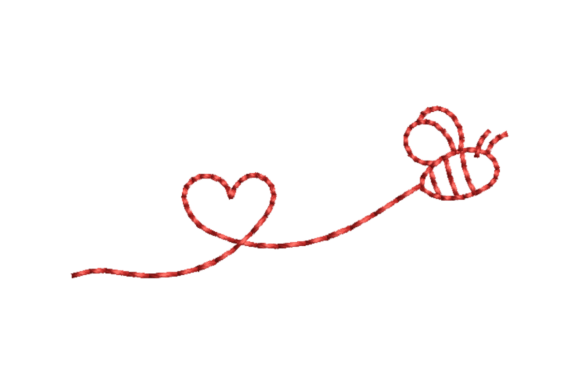
Upon loading the Honey Bee Redwork Embroidery File into my software, the immediate impression was one of classic sweetness. Redwork style traditionally evokes a sense of nostalgia and handmade warmth, making it incredibly appealing for clients seeking vintage-inspired or cottagecore aesthetics. Unlike dense fill designs that can feel heavy or stiff, this bee motif relies on clean lines and open stitching. The mood is playful yet elegant, striking a perfect balance for both baby embroidery projects and sophisticated home decor.
From a production standpoint, the description promises minimal thread usage and quick stitch-out times. In my test run, this held true. For a small business owner or Etsy seller, time is money. A design that stitches quickly without sacrificing detail allows for higher profit margins and faster turnaround times. The file digitization appeared smooth, with logical jump stitches that minimized trimming, which is crucial when fulfilling bulk orders for craft fairs or holiday markets.
Real-World Application: Personalized Gift Scenarios
To truly evaluate this embroidery file, I simulated three distinct customer orders that represent the core of my personalized gift business. Understanding how a design translates from screen to fabric is essential for maintaining customer trust and perceived value.
The Heirloom Baby Blanket
For a baby embroidery commission, softness and safety are paramount. I tested the Honey Bee Redwork Embroidery File on a plush minky blanket. Because redwork uses minimal stitches, the design did not create a hard, scratchy backing against delicate skin. The lightweight nature of the embroidery maintained the drape and softness of the blanket, which is a major selling point for new parents. The bee motif added a gender-neutral, nature-inspired touch that felt appropriate for a modern nursery while retaining heirloom quality.
The Custom Kitchen Towel Set
Embroidered towels are a staple in any handmade product lineup. I applied the design to a flour sack towel intended as a housewarming gift. The open structure of the redwork allowed the fabric texture to show through, preventing the "bulletproof vest" effect that dense designs often cause on linens. The result was a breathable, flexible finish that looked integrated rather than stamped on. This application highlighted the design’s versatility for functional items that require frequent washing.
Wedding Keepsake Tote Bag
For a wedding gift preview, I stitched the bee onto a natural canvas tote bag. The contrast of deep red thread against unbleached cotton created an instant romantic, rustic vibe. This specific application demonstrated the design's strength in product photography; the crisp lines photographed beautifully for social media mockups. For Etsy sellers, having a design that looks as good in a listing photo as it does in person is vital for buyer engagement and conversion.
Navigating Fabric Challenges and Limitations
While the Honey Bee Redwork Embroidery File is versatile, professional results depend on understanding where to use it carefully. During my testing phase, I identified specific scenarios where extra attention is required to maintain the integrity of the finished product.
- Textured and Pile Fabrics: While it performed well on flour sack towels, thicker terry cloth presented challenges. The fine lines of redwork can get lost in high-pile textures. If using this for plush towels, consider adding a water-soluble topping to keep the stitches visible and crisp.
- Stretchy Baby Clothes: When applying this to onesies or stretchy knits, stabilization is non-negotiable. The minimal stitch count offers less structural support than a filled design. Use a high-quality cut-away stabilizer to prevent puckering or distortion after washing.
- Dark Fabric Contrast: Traditional redwork shines on light backgrounds. On dark fabrics, the intricate details may disappear unless you switch to a high-contrast thread color like white or gold. Always test visibility before committing to a dark garment order.
- Small Lettering Pairings: If you plan to add personalized names beneath the bee, be cautious with font size. Redwork is delicate; pairing it with overly bold or tiny text can look unbalanced. Ensure your custom embroidery lettering complements the weight of the bee motif.
Enhancing Perceived Value and Customer Trust
In the personalized gift market, customers are buying an emotional connection, not just thread on fabric. The Honey Bee Redwork Embroidery File excels here because it mimics the look of hand-stitched folk art. This "handmade" aesthetic significantly boosts perceived value compared to generic, mass-produced clip art. When a client sees a design that feels artisanal, they are more likely to trust your shop for important milestones like weddings and births.
Furthermore, the speed of this digital embroidery file allows you to offer competitive pricing without devaluing your work. You can position these items as affordable luxuries. For small shop products, this efficiency means you can accept rush orders for last-minute gifts, expanding your potential revenue streams during peak seasons.
Essential Technical Notes for Makers
Before adding this design to your commercial embroidery lineup, adhere to these professional best practices to ensure consistent quality across different substrates.
- Verify Specifications: Always check the included documentation for exact stitch count, hoop size requirements, and format compatibility. Never assume a file fits your machine’s maximum field until verified.
- Test on Scrap Fabric: Never stitch directly on a customer’s expensive item first. Test on a scrap of the exact material you intend to use to check tension and stabilizer adequacy.
- Evaluate Stabilizer Choices: Redwork generally requires lighter stabilization than satin stitch designs. However, fabric texture dictates the final choice. Tear-away may suffice for woven cottons, while knits demand cut-away.
- Check Commercial Licensing: Before selling finished products featuring this bee, confirm the license terms. Ensure you have the right to sell physical embroidered goods versus just the digital embroidery file itself.
- Create Printable Mockups: Since this design stitches quickly, create physical samples for product photography. Real photos convert better than digital renderings for handmade products.
- Thread Color Testing: While designed for red, test alternative thread colors. Sage green, navy, or variegated threads can completely transform the mood for different niches.
Final Thoughts for Your Digital Collection
After thorough testing, the Honey Bee Redwork Embroidery File proves to be a valuable asset for makers focusing on personalized gifts. Its combination of nostalgic appeal and production-friendly attributes makes it suitable for everything from baby blankets to wedding totes. By respecting fabric limitations and following proper stabilization protocols, this design can help elevate your product offerings. Whether you are an established Etsy seller or a hobbyist turning pro, keeping efficient, beautiful designs like this in your library ensures you are always ready to say yes to custom orders.