Funny Cute Birds Embroidery Design: A Maker’s Review
As a professional embroidery digitizer and product reviewer, I have stitched out thousands of files ranging from complex corporate logos to delicate nursery motifs. When evaluating a new machine embroidery design, my primary concern is never just how pretty it looks on a screen; it is always about how it performs under the needle and whether it adds genuine value to a finished product. The Funny Cute Birds Embroidery Design immediately caught my attention because it balances whimsy with technical feasibility, but like any digital asset, it requires a strategic approach to ensure success in real-world applications.
First Impressions and Visual Personality
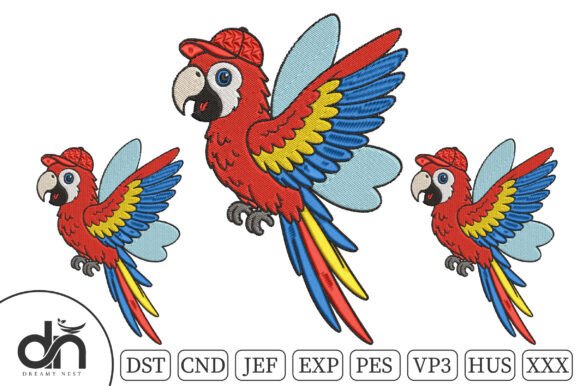
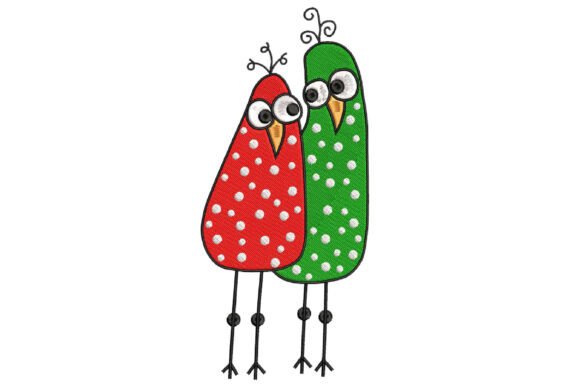
Upon loading the embroidery file into my software, the first thing I assessed was the visual hierarchy. This design features two colorful birds with distinct personalities, which creates an immediate narrative focal point. For Etsy sellers and craft business owners, this storytelling element is crucial. Customers do not just buy a bird; they buy the feeling of playfulness and charm that these characters convey. The layout suggests a balanced composition that avoids being top-heavy, which is a common pitfall in novelty designs. The interplay between the two birds allows for versatile placement, making it suitable for center-chest positioning on custom apparel or off-center placement on a tote bag design.
The color palette indicated in the preview is vibrant yet manageable. As a reviewer, I appreciate when a design does not require fifteen thread changes for a small motif. This efficiency is vital for commercial embroidery where time equals money. The aesthetic strikes a sweet spot between juvenile and sophisticated, meaning it can work for baby embroidery projects as well as quirky adult accessories without feeling out of place.
Real-World Application: Stitching a Custom Sweatshirt
To truly evaluate this digital embroidery file, I mentally simulated a recent client project involving a batch of unisex crewneck sweatshirts for a boutique launch. Sweatshirt fleece is a forgiving but tricky substrate due to its loft and stretch. In this scenario, the Funny Cute Birds Embroidery Design serves as the perfect test case for stabilizer management and stitch integrity.
When stitching this onto fleece, the interaction between fill stitch areas and the fabric texture becomes paramount. If the design relies heavily on dense satin columns for the bird outlines, there is a risk of the stitches sinking into the pile, causing the details to get lost. However, if the digitizer has incorporated adequate underlay and perhaps some running stitch detailing, the birds will pop against the textured background. For this specific project, I would pair this design with a medium-weight cutaway stabilizer to prevent puckering around the edges of the birds. The result is a handmade product that feels professional rather than homemade, directly influencing customer trust and perceived value.
Technical Performance Across Different Substrates
Versatility is the hallmark of a profitable design asset. Here is how I anticipate the Funny Cute Birds Embroidery Design performing across various popular categories:
- Tote Bags and Canvas: These stable fabrics are ideal for this design. The lack of stretch means you can achieve crisp registration. If the file includes an applique design option, canvas is the perfect candidate, allowing you to reduce stitch count while adding tactile interest.
- Kitchen Towels and Tea Towels: Linen and cotton blends provide a smooth surface for detail. This is where stitch density matters most. If the birds have intricate facial expressions or feather details, the towel weave must be tight enough to support them. Always test on a scrap first to ensure tiny elements don't disappear.
- Baby Onesies and Knits: Proceed with caution here. Stretchy knits require a ballpoint needle and careful hooping. Because babies grow quickly and garments are washed frequently, ensure the design isn't so dense that it creates a stiff "bulletproof vest" effect on the chest. A lighter, airier version of this design would be preferable for infant wear.
- Caps and Hats: Unless the design is specifically digitized for curved surfaces, use care. The horizontal span of two birds might exceed the safe stitching area of a standard cap frame. Verify the dimensions before attempting this application to avoid hitting the brim or losing registration on the curve.
Navigating Fabric Challenges and Limitations
No embroidery project is without variables. While the Funny Cute Birds Embroidery Design is charming, certain environments demand extra vigilance. Dark fabrics, for instance, can swallow color. If you plan to stitch these colorful birds on navy or black denim, consider using high-sheen rayon threads or even metallic accents to maintain contrast. Alternatively, placing a white felt backing behind the design (if doing applique) can prevent the dark fabric from showing through lighter thread colors.
Textured fabrics like terry cloth or minky also present challenges. In these cases, a water-soluble topping is non-negotiable. It holds down the nap of the fabric during stitching, ensuring the satin stitch borders and fine details remain visible. Without it, your cute birds might look muddy or incomplete after washing. For small shop products intended for frequent laundering, such as aprons or placemats, inspect the design for long jump stitches. These should be trimmed meticulously or secured properly to prevent snagging, which ruins the user experience and reflects poorly on your brand quality.
Commercial Viability and Business Considerations
For creative entrepreneurs and makers, a design is an investment. Before listing a finished product featuring the Funny Cute Birds Embroidery Design, verify the licensing terms. Ensure you have the right to sell physical embroidered items versus the digital file itself. This distinction protects both you and the original digitizer.
From a marketing perspective, this design offers excellent mockup potential. Because the subject matter is universally appealing, it translates well to printable mockups for social media and website listings. When photographing your samples, pay attention to lighting. Embroidery has dimension; flat lighting flattens the art. Use side lighting to highlight the texture of the stitches, showcasing the quality of your workmanship. This visual proof is often what converts a browser into a buyer, especially for personalized gift shoppers looking for evidence of durability and care.
Essential Pre-Stitch Checklist for Makers
Before you commit this design to a final garment or product for sale, run through this practical checklist derived from years of production experience:
- Verify Hoop Size Compatibility: Do not assume the design fits your smallest hoop. Check the exact dimensions in millimeters against your machine’s capabilities.
- Audit Thread Colors: Review the color sheet provided with the embroidery file. Compare it to your current thread inventory. Substitutions are fine, but ensure the contrast levels remain similar to preserve the design's readability.
- Test Stitch Density: Run a sample on the actual fabric you intend to use, not just a generic test square. Feel the back of the embroidery. Is it too stiff? Too loose? Adjust tension or stabilizer accordingly.
- Check Small Details: Zoom in on the eyes, beaks, and feet in your software. Are they separate objects or continuous runs? Tiny isolated stitches can cause thread breaks or birdnesting if not optimized.
- Wash Test: If selling holiday embroidery or baby items, wash and dry your test swatch. Shrinkage can distort designs, and cheap threads may bleed. Discovering this now saves returns later.
- Review Licensing: Confirm whether the license covers commercial embroidery for the volume you intend to produce. Some licenses cap at 50 or 100 units.
Final Verdict on Design Utility
The Funny Cute Birds Embroidery Design represents a strong contender for makers seeking to expand their portfolio with lighthearted, character-driven art. Its success ultimately depends on your willingness to treat it as a technical component of your manufacturing process, not just a decoration. By respecting fabric limitations, optimizing stabilization, and validating the output through rigorous testing, you transform a simple digital file into a premium small shop product. Whether you are creating a bespoke embroidered patch, a heartfelt holiday gift, or a staple line of custom apparel, this design offers the creative flexibility needed to engage customers and elevate your handmade brand. Remember, in the world of professional embroidery, confidence comes from preparation, and the best results always start with a thoughtful test stitch.