Cute Striped Fish Embroidery Design Review
As an experienced embroidery designer preparing for a busy weekend craft fair, my selection process for booth inventory is rigorous. I am not just looking for pretty artwork; I am evaluating production efficiency, visual impact from three feet away, and perceived value. When reviewing the Cute Striped Fish Embroidery Design, my immediate assessment focuses on its versatility as a high-turnover item for handmade markets. This design strikes a specific balance between whimsical charm and clean, professional aesthetics that appeals to a broad demographic, from young parents to coastal decor enthusiasts.
First Impressions and Market Viability
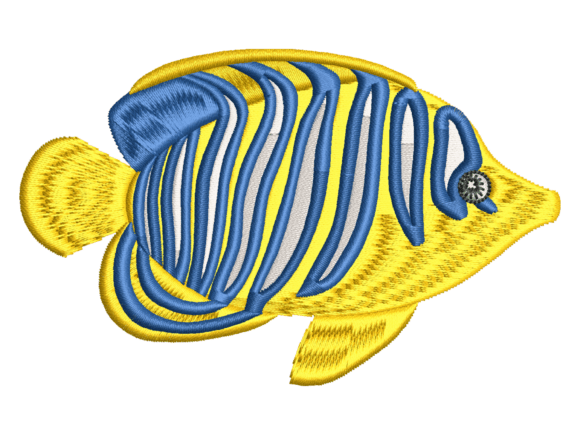
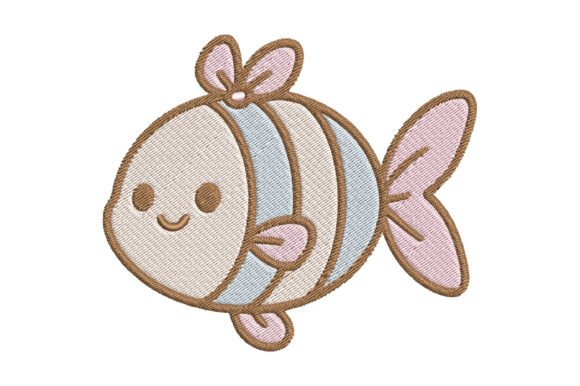
The initial impression of this machine embroidery design is undeniably modern-cute with a soft, approachable vibe. Unlike hyper-realistic marine life designs that can sometimes look stiff or overly complex, the striped motif suggests a stylized, friendly aesthetic. For a craft fair product, this is crucial. Customers browsing a crowded table need to understand the theme instantly. The stripes provide natural color-blocking opportunities, allowing me to use variegated threads or contrasting solids to create depth without excessive stitch density. This visual clarity makes it an excellent candidate for both children’s items and adult accessories that require a touch of playful sophistication without feeling juvenile.
Best Performing Products for Craft Fairs
When planning my booth display, I categorize designs by their best application. The Cute Striped Fish Embroidery Design performs exceptionally well across several key categories:
- Tote Bag Design: Canvas totes are a staple for Etsy sellers and market vendors. This fish design works beautifully as a centered focal point on natural cotton canvas. The contrast of bright thread against unbleached fabric creates a premium handmade product feel that justifies a higher price point.
- Tea Towel Embroidery: Kitchen linens sell consistently at craft fairs. Because the design likely features open spaces between stripes, it prevents the "bulletproof" stiffness that plagues dense embroidery on towels. It lays flat and remains functional, which customers appreciate when touching samples.
- Apron Embroidery: For boutique makers targeting chefs or home cooks, placing this design on the chest pocket or lower hem of a linen apron adds unique character. It transforms a generic utility item into a personalized gift.
- Embroidered Patch: If you have limited hoop space or want to maximize production speed, converting this into a merrowed-edge patch is strategic. Patches allow for batch production independent of the final garment, making them ideal add-on sales at checkout.
- Fabric Pouches and Zipper Bags: Small zippered pouches are perfect impulse buys. The horizontal orientation of a striped fish often fits perfectly within standard 4x4 or 5x7 hoop sizes, minimizing re-hooping time during production runs.
Production Practicality and Batch Efficiency
For commercial embroidery and small shop product lines, time is money. I evaluate the Cute Striped Fish Embroidery Design based on its repeatability. Striped patterns are generally forgiving regarding registration issues compared to intricate photorealistic faces. However, as a digital embroidery file, you must verify the underlay structure. Proper underlay is essential to prevent the stripes from sinking into textured fabrics like terry cloth or linen. From a photography standpoint, the bold lines of the fish photograph crisply for printable mockups and Etsy listings, reducing the need for extensive post-production editing to make the design pop in thumbnails.
Critical Technical Considerations and Careful Use Notes
While this design is versatile, professional results require attention to technical variables. Before committing to a full production run for your handmade business, consider these factors:
- Fabric Texture Compatibility: On highly textured towels or nubby linen, ensure the stitch density is sufficient to cover the weave. If the design includes thin outline details, they may get lost in the fabric grain. Always test on the exact material you intend to sell.
- Curved Surfaces: If applying this to caps or curved tote bags, check the digitizing angle. Horizontal stripes can appear distorted on a curved cap front unless specifically digitized for headwear. Flat hooping is safer for maintaining geometric integrity.
- Size Reduction Risks: Be cautious when resizing this embroidery file significantly smaller than its original dimensions. Stripes can merge if the satin columns become too narrow for your needle size, leading to thread breaks or poor coverage. Maintain minimum column widths to preserve clarity.
- Thread Color Contrast: The success of a striped design relies entirely on contrast. Avoid using thread colors that are too similar in value, even if they are different hues. Test thread colors under natural light and booth lighting to ensure the stripes remain distinct.
Enhancing Booth Display and Buyer Engagement
The visual appeal of your booth depends on cohesive storytelling. The Cute Striped Fish Embroidery Design allows for strong brand consistency because it pairs easily with other nautical, coastal, or nursery-themed design assets. When displayed alongside matching pillow covers or baby bibs, it encourages multi-item purchases. For buyer engagement, having a physical sample where customers can feel the stitch quality is vital. The tactile experience of smooth, well-digitized stripes confirms the handmade quality that distinguishes your work from mass-produced alternatives. Furthermore, because this design feels gender-neutral and ageless, it widens your potential customer base at the fair, increasing foot traffic conversion.
Professional Designer Checklist Before Selling
Before listing this as a finished product or selling the digital embroidery file, complete this verification process to protect your reputation and ensure commercial viability:
- Verify Licensing: Confirm the commercial embroidery license terms included with the purchase. Ensure you are permitted to sell finished products or modified versions if that is your business model.
- Stitch Out Testing: Never skip the test sew. Check for jump stitches, trims, and overall tension. A messy backside devalues a premium handmade product.
- Stabilizer Selection: Match your stabilizer to the fabric weight. Cut-away for knits and stretchy tote materials; tear-away or wash-away for stable woven linens. Incorrect stabilizer causes puckering that ruins the professional look.
- Hoop Size Confirmation: Double-check that the design fits comfortably within your machine’s maximum embroidery area with adequate margin for hoop clearance. Running out of space mid-design is a costly error.
- Create Real Mockups: While digital mockups are useful, photographing the actual stitched Cute Striped Fish Embroidery Design on your specific blank goods builds trust with online buyers who want to see true thread sheen and scale.
Ultimately, the Cute Striped Fish Embroidery Design represents a smart investment for craft fair sellers and creative entrepreneurs. Its blend of aesthetic charm and production-friendly characteristics makes it a reliable performer in a competitive handmade market. By applying professional digitizing standards and thoughtful product placement, this design can elevate your booth presence and drive consistent sales across multiple product categories. Always prioritize quality testing and licensing compliance to build a sustainable, reputable embroidery business that customers return to season after season.