Cute Fruit Micro Embroidery Set Review
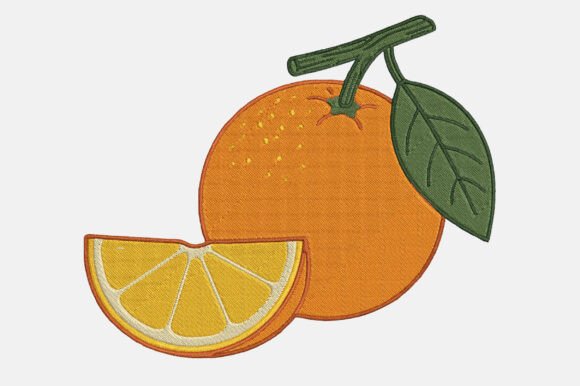
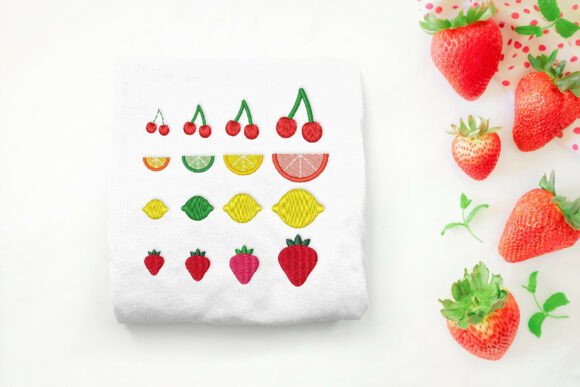
As an embroidery designer constantly scouting for fresh assets for boutique apparel collections, I approach every new machine embroidery design with a critical eye. When planning a seasonal line of sweatshirts and hoodies, the difference between a generic craft project and a premium handmade product often lies in the subtlety of the artwork. After reviewing the Cute Fruit Micro Embroidery Set available on Creative Fabrica, I see significant potential for creators focusing on minimalist, trendy aesthetics. This set includes four distinct mini designs: a pair of cherries, a citrus slice, a strawberry, and a lemon or lime. Notably, the cherry stems switch to a bean stitch, a technical detail that immediately signals a higher level of design intention suitable for commercial application.
Visual Personality and Stitching Mood
The first impression of the Cute Fruit Micro Embroidery Set is one of refined playfulness. In the current market for custom apparel, there is a strong shift away from massive, dense chest logos toward delicate, intentional micro-art. These designs possess a visual personality that balances feminine charm with modern minimalism. They do not feel juvenile; rather, they evoke a rustic yet polished mood that aligns perfectly with contemporary boutique brand identities.
The inclusion of the bean stitch on the cherry stems is a crucial design element. Bean stitches provide a textured, hand-stitched appearance that flat satin stitches cannot replicate. This adds tactile interest and breaks up the visual monotony often found in basic food-themed digitizing. For an Etsy seller or small shop owner, this level of detail suggests quality. The designs feel curated rather than clip-art derived, which is essential when you are trying to establish buyer trust and product recognition in a saturated digital marketplace.
Strategic Placement for Sweatshirts and Hoodies
When integrating these designs into a sweatshirt embroidery collection, placement is just as important as the digitizing itself. Because these are micro designs, they excel in areas where larger graphics would overwhelm the garment structure. I envision the citrus slice or strawberry positioned on the left chest of a neutral cream sweatshirt. This classic placement anchors the garment without dominating it, allowing the fabric texture of high-quality fleece to remain a feature rather than a backdrop.
For hoodie design, consider utilizing the sleeve cuff or the nape of the neck. A tiny lemon or lime embroidered near the wrist creates a delightful surprise element that enhances the perceived value of the garment. These locations are prime real estate for lifestyle photography and social media content. When customers photograph their coffee holding the sleeve, or fix their hair revealing the neck embroidery, your brand gets organic exposure. The Cute Fruit Micro Embroidery Set is sized appropriately for these secondary placements, ensuring the design remains legible and crisp even on curved surfaces.
Versatility Across Apparel Categories
Beyond heavy fleece, these designs translate beautifully to lighter substrates. On t-shirts and denim jackets, the reduced stitch density typical of micro embroidery prevents fabric distortion and puckering. This makes them ideal for summer collections or layered looks. For tote bags, a scattered arrangement of all four fruits could create a charming border or central motif that appeals to the eco-conscious shopper demographic. As a digital embroidery file package, this versatility allows a single purchase to anchor multiple product categories within your shop, maximizing your return on investment.
Technical Considerations for Professional Results
While the aesthetic appeal is high, professional execution requires technical diligence. Micro embroidery presents unique challenges because there is less margin for error. Before committing the Cute Fruit Micro Embroidery Set to production inventory, you must verify specific technical parameters. Always confirm the exact hoop size requirements and file compatibility with your machine before purchasing. Never assume a "mini" design fits a standard 4x4 hoop without checking the dimensions in the product details.
Stabilizer selection is non-negotiable for these projects. On stretchy fleece or ribbed knit fabrics, a cut-away stabilizer is mandatory to prevent the micro stitches from sinking into the pile or distorting during wear. For woven fabrics like denim or canvas tote bags, a tear-away may suffice, but testing is required. I strongly advise running a test stitch-out on scrap fabric that matches your production garment weight. Check how the bean stitch on the cherry stems registers against the fill stitches. If the registration is off by even a millimeter, the micro scale will make the flaw obvious.
Thread Colors and Contrast Management
Color choice dictates whether these designs read as premium or costumey. Avoid neon threads unless that is your specific niche. Instead, opt for variegated threads or matte cotton-style polyester to enhance the rustic, handmade feel. Test thread colors against both light and dark garments. A pale yellow lemon might disappear on a cream sweatshirt but pop beautifully on navy or sage green. High contrast is necessary for micro designs to be visible in thumbnail images on Etsy or Instagram. If selling on dark apparel, ensure the digitizing includes adequate underlay to prevent the fabric color from bleeding through the fruit fills.
Enhancing Brand Value and Customer Engagement
Using cohesive design sets like this contributes significantly to visual consistency across your catalog. When customers recognize your signature style—perhaps defined by these specific micro fruit motifs—they begin to associate your shop with a particular quality tier. This recognition drives repeat business. Furthermore, micro embroidery is inherently photogenic. It photographs well in flat lays and printable mockup presentations because it doesn't obscure the garment's fit or drape.
For commercial embroidery businesses, offering micro options diversifies your price points. These designs require less thread and run time than large back prints, allowing for competitive pricing on entry-level items while maintaining healthy margins. However, always review the licensing terms on Creative Fabrica before listing finished goods. Ensure you have the rights to sell physical products featuring these designs, especially if you plan to scale beyond a hobbyist level. Respecting intellectual property is foundational to building a sustainable, trustworthy brand.
Designer Notes for Production Success
To maximize the potential of the Cute Fruit Micro Embroidery Set, adhere to this pre-production checklist:
- Verify Licensing: Confirm commercial use rights for finished apparel sales directly in the product description.
- Test on Target Fabric: Never skip testing on the actual fleece or jersey blend you intend to sell.
- Inspect Stitch Density: Ensure the design isn't too dense for lightweight tees or too sparse for thick hoodies.
- Evaluate Bean Stitch Quality: Specifically check the cherry stem transition points for clean tie-offs and trims.
- Mockup Realistically: Use printable mockups that accurately reflect the small scale of micro embroidery to avoid customer disappointment.
- Check Hoop Compatibility: Confirm your smallest hoop can accommodate the design with adequate clearance.
Ultimately, the Cute Fruit Micro Embroidery Set represents a smart acquisition for apparel decorators seeking to refine their boutique offerings. By combining charming aesthetics with strategic placement and rigorous technical testing, you can transform these simple fruit motifs into signature elements of a successful clothing line. Whether you are launching a new pastel hoodie collection or adding subtle accents to denim, this set provides the decorative foundation needed to elevate your small shop product lineup from homemade to professionally crafted.