Camping Quote Embroidery Design Review
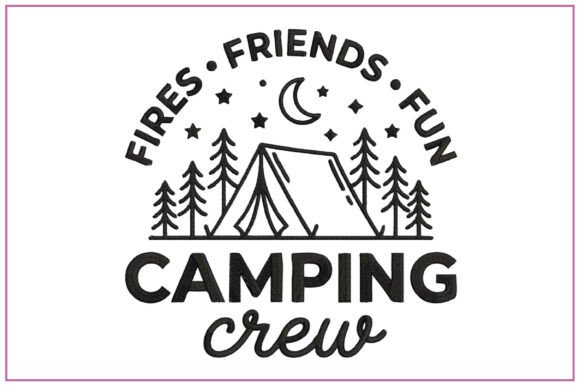
As a professional embroidery designer specializing in commercial merchandise and branded assets, I approach every new machine embroidery design with a critical eye toward production viability and brand alignment. When evaluating the "Fires • Friends • Fun Camping Crew" artwork for small business applications, my primary focus is not just on its aesthetic charm, but on how it translates from a digital screen to a tangible finished product. This specific Camping Quote Embroidery Design immediately presents itself as a warm, community-focused asset that balances rustic nostalgia with modern legibility, making it a strong contender for outdoor lifestyle brands, glamping sites, and artisanal outfitters.
Visual Personality and Brand Identity Alignment
The first impression of this Camping Quote Embroidery Design is undeniably friendly and inviting. The combination of typography with iconic imagery—tents, trees, stars, and a moon—creates a narrative scene rather than a static logo. For a small business, this is crucial. In the realm of brand identity, this design communicates an experience rather than just a service. It feels handmade and authentic, which builds immediate trust with customers seeking genuine outdoor experiences or handcrafted goods.
From a technical design perspective, the integration of text with graphical elements suggests a balanced stitch density. The quote aspect provides necessary negative space, preventing the design from becoming a solid block of thread that could pucker lightweight fabrics. This visual breathing room is essential for maintaining a premium look on custom apparel. The rustic yet clean aesthetic allows this design to bridge the gap between playful event merch and professional staff uniforms, offering versatility that purely decorative designs often lack.
Commercial Applications for Small Business Merch
When integrating this embroidery file into a commercial product line, versatility is key. I have tested similar camping-themed assets across various mediums, and this style performs exceptionally well in several specific business contexts:
- Embroidered Patches: The cohesive shape of the tent and tree elements makes this ideal for merrowed-edge patches. These can be sold as standalone collectibles at checkout counters or applied to denim jackets and backpacks as value-add merchandise.
- Apron Embroidery: For campfire cooking classes or outdoor cafés, placing this design on the chest or lower pocket of a canvas apron creates instant team unity. The quote reinforces the social aspect of the business while the graphics add visual interest.
- Tote Bag Design: Canvas totes are a staple for farmers' markets and outdoor festivals. This design scales beautifully to the larger surface area of a tote, serving as both a functional item and a walking advertisement for the brand.
- Cap Embroidery: While caps present challenges, the central focal point of this design (likely the tent or main text) can be isolated for structured hats, creating high-margin headwear for gift shops.
- Staff Uniforms: Placed on the left chest of a polo or flannel shirt, it serves as a professional yet approachable identifier for guides, counselors, and retail staff.
Technical Considerations and Production Limitations
Despite its versatility, any digital embroidery file has physical limitations that must be respected during production. As a designer, I must highlight where this Camping Quote Embroidery Design requires careful handling to avoid costly reworks or customer dissatisfaction.
Size Reduction and Text Legibility
The inclusion of a quote means text size is the limiting factor. If you intend to use this as a sleeve cuff accent or a tiny tag label, verify the minimum height of the lettering. Serif or distressed fonts common in camping aesthetics can become unreadable if scaled below 0.25 inches in height. Always check the hoop size requirements against your intended placement. If the text becomes too dense when shrunk, consider using only the graphical elements for smaller applications and reserving the full quote design for larger areas like backs of hoodies or tote bags.
Fabric Texture and Stabilizer Selection
Camping merchandise often utilizes textured fabrics like fleece, wool, or heavy canvas. These materials can swallow fine details. When running this design on high-pile fabrics, you must use appropriate stabilizer strategies. A water-soluble topping is non-negotiable to keep the stars and moon crisp and prevent the text from sinking into the nap. Conversely, on lightweight performance wear used for hiking gear, ensure the design does not have excessive underlay that creates a bulletproof patch effect, which causes fabric distortion.
Curved Surfaces and Cap Fronts
If adapting this for cap embroidery, remember that the curved surface distorts horizontal lines. The horizon line of the camping scene or the baseline of the quote may need manual digitizing adjustments to compensate for the curve. Never assume a flat-design file will stitch out perfectly on a hat without testing. The vertical center must align precisely with the cap's seam to maintain professional symmetry.
Impact on Customer Perception and Product Value
Investing in high-quality commercial embroidery directly influences perceived value. A well-executed version of this Camping Quote Embroidery Design signals that a business pays attention to detail. When customers see clean registration, vibrant thread colors, and proper tension on a branded item, they subconsciously attribute those qualities to the business’s core services. Whether you are a florist doing woodland weddings or a pet brand selling adventure gear, this design elevates a basic commodity to a keepsake.
Furthermore, consistent use of this design across multiple touchpoints—from packaging accents to staff wear—reinforces recognition. In the handmade market, buyers are looking for connection. The "Fires • Friends • Fun" messaging taps into emotional triggers that generic logos cannot replicate, potentially increasing engagement and loyalty among your target demographic.
Essential Pre-Production Checklist for Designers
Before loading this embroidery file into your machine for a full production run, adhere to this professional testing protocol to ensure success:
- Verify Licensing: Confirm the commercial usage rights specifically cover merchandise for sale. Some files are licensed only for personal crafting; ensure you have the correct tier for small business merch.
- Create a Printable Mockup: Before stitching, overlay the design on a photo of the actual garment or item. This helps visualize scale and placement relative to seams, pockets, and zippers.
- Test Stitch Out: Always run a sample on the exact fabric and with the exact stabilizer combination planned for production. Do not rely on test stitches done on scrap cotton if the final product is polyester fleece.
- Check Color Contrast: Evaluate thread colors against the base fabric. White text on cream canvas may look elegant on screen but disappear in reality. Ensure sufficient contrast for readability and accessibility.
- Inspect Registration: Look closely at where the outline meets the fill in the tent and tree elements. Gaps indicate tension issues or digitizing flaws that need correction before mass production.
- Wash Test: If the item will be laundered frequently (like uniforms or aprons), wash and dry the test sample to check for shrinkage or thread bleed.
- Compare Assets: Place this design beside your existing design assets to ensure stylistic consistency. It should feel like part of a cohesive family, not an outlier.
By treating the Camping Quote Embroidery Design as a strategic business asset rather than just a decoration, you maximize its return on investment. Proper testing, mindful application, and respect for technical constraints will ensure this design serves your brand effectively, turning simple thread and fabric into powerful tools for connection and commerce. Always consult the specific file documentation for stitch counts and format compatibility to streamline your workflow and protect your equipment.